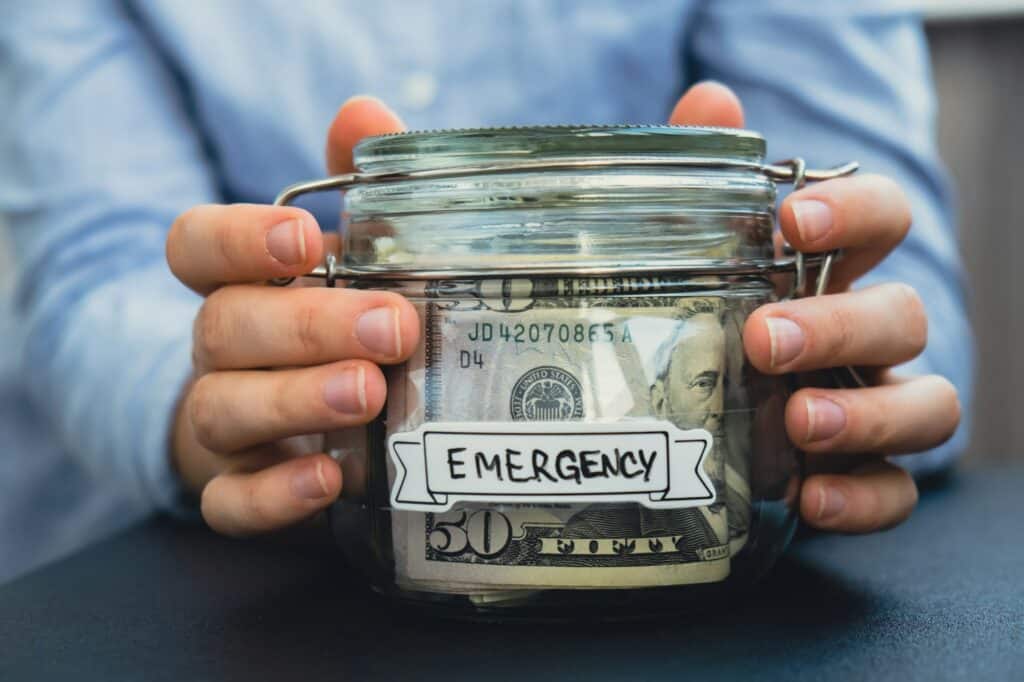
In today’s uncertain economic climate, having a robust emergency fund is essential for financial stability and peace of mind. An emergency fund serves as a financial safety net, providing a cushion to cover unexpected expenses, such as medical bills, car repairs, or job loss, without derailing your financial goals or resorting to high-interest debt. In this blog post, we’ll explore the importance of having an emergency fund and provide practical tips for saving and building an emergency fund.
Understanding the Importance of an Emergency Fund
An emergency fund is a pool of savings set aside specifically for unexpected financial emergencies. Unlike other savings goals, such as retirement or vacation funds, an emergency fund is designed to be easily accessible and liquid, allowing you to quickly access funds when needed without incurring penalties or fees. Having an emergency fund offers several key benefits:
Financial Security: An emergency fund provides a safety net to cover unexpected expenses or income disruptions, reducing financial stress and anxiety during challenging times.
Avoiding Debt: With an adequate emergency fund in place, you can avoid relying on high-interest credit cards or loans to cover emergency expenses, saving you money on interest charges and helping you avoid accumulating debt.
Peace of Mind: Knowing that you have a financial cushion to fall back on in case of emergencies provides peace of mind and allows you to focus on achieving your financial goals without worrying about unforeseen setbacks.
Tips for Saving and Building an Emergency Fund
Building an emergency fund requires discipline, commitment, and strategic planning. Here are some practical tips to help you save and build your emergency fund:
Set a Savings Goal: Start by setting a realistic savings goal for your emergency fund based on your monthly expenses, income, and financial obligations. Aim to save at least three to six months’ worth of living expenses to cover essential costs in case of emergencies.
Create a Budget: Establish a monthly budget that outlines your income, expenses, and savings goals. Track your spending carefully and identify areas where you can cut back or reallocate funds toward your emergency fund.
Automate Your Savings: Set up automatic transfers from your checking account to your emergency fund savings account each month. Automating your savings helps you stay consistent with your savings goals and removes the temptation to spend the money elsewhere.
Start Small: If you’re unable to save a significant amount initially, start small and gradually increase your savings contributions over time. Even saving a small amount each month can add up over time and help you build your emergency fund.
Prioritize Savings: Make saving for your emergency fund a priority in your financial planning. Consider allocating windfalls, such as tax refunds, bonuses, or inheritance, toward your emergency fund to accelerate your savings progress.
Keep Your Emergency Fund Separate: To avoid the temptation of dipping into your emergency fund for non-emergencies, keep your emergency fund separate from your regular checking or savings accounts. Consider opening a high-yield savings account or money market account for your emergency fund to earn a competitive interest rate while keeping your funds easily accessible.
Replenish Your Fund: If you need to use funds from your emergency fund to cover an unexpected expense, make it a priority to replenish your fund as soon as possible. Adjust your budget or savings goals temporarily to rebuild your emergency fund to its target balance.
Conclusion
Building an emergency fund is a critical step toward achieving financial stability and preparedness. By understanding the importance of having an emergency fund and following practical tips for saving and building your fund, you can create a financial safety net to protect yourself and your loved ones from unexpected financial emergencies. Remember, building an emergency fund takes time, patience, and discipline, but the peace of mind and financial security it provides are well worth the effort. If you need assistance with setting savings goals, creating a budget, or developing a financial plan, The Tax Axe is here to help. Contact us today to schedule a consultation and take the next steps toward building your emergency fund and achieving your financial goals.
Together, let’s prepare for financial emergencies and build a brighter financial future!