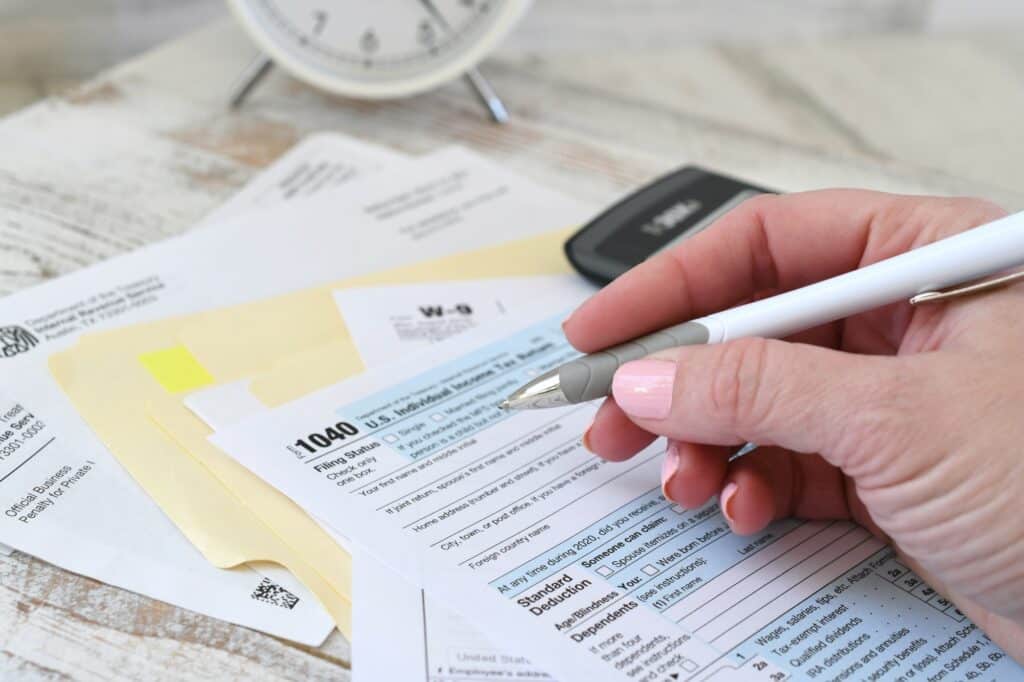
October is often seen as a busy month with changing seasons and the start of the holiday hustle, but it’s also one of the best times to start thinking seriously about the upcoming tax season. Even though tax returns aren’t due until mid-April, beginning your tax preparation now can save you time, reduce stress, and even help you keep more money in your pocket.
Why Should You Start Preparing Early?
Waiting until the last minute to file your taxes often leads to unnecessary pressure, missed deductions, or errors that could delay your refund. When you start early, you give yourself ample time to gather all necessary documents, understand any new tax laws or changes, and clarify questions that might arise. Early preparation means you can avoid the panic of scrambling to find receipts or track down missing forms in February or March.
Starting early also allows you to spot any financial changes from the previous year that might impact your taxes. Maybe you changed jobs, bought a home, had a child, or started a side business—these life events often come with tax consequences that are easier to manage when identified early.
Practical Steps to Get Organized This Fall
Here’s a checklist to help you stay on track this October:
Gather Your Income Statements: Collect your W-2s, 1099s, and any other income documentation from employers, clients, banks, and investment accounts. If you’re self-employed or have side gigs, make sure you have all the relevant payment records.
Organize Your Deductible Expenses: Receipts for medical expenses, charitable donations, mortgage interest, education costs, and business-related expenses should be saved and categorized. If you’re unsure which expenses count, it’s a good idea to consult a tax professional.
Review Last Year’s Tax Return: Look at your previous tax return to remind yourself of your filing status, dependents claimed, and deductions taken. This can help you anticipate what documents you’ll need and whether anything has changed.
Make Note of Major Life Changes: Changes such as marriage, divorce, moving to a new home, having a baby, or adopting can all affect your tax situation. Keeping track of these now ensures you don’t forget to report them later.
Check for New Tax Law Updates: Tax laws evolve frequently. Whether it’s changes in deductions, credits, or filing requirements, being informed early can help you plan accordingly.
The Benefits of Early Tax Preparation
Getting ahead on your taxes isn’t just about avoiding stress; it also has tangible financial benefits. When you’re organized, you reduce the risk of missing out on valuable deductions or credits that could lower your tax bill. Plus, early preparation gives you time to make strategic financial decisions before the year ends, such as contributing to retirement accounts or making charitable donations.
If you discover you owe taxes, starting early allows you to plan your payments thoughtfully rather than facing a surprise bill in April. And if you expect a refund, filing early means you’ll get your money sooner.
Finally, if your tax situation is complicated, early preparation gives you time to seek professional assistance without rushing.
Bottom Line
Fall is the ideal season to get your financial documents in order and prepare for tax season. The more organized and informed you are now, the smoother your tax filing process will be—and the better your financial outcomes.
If you’re feeling overwhelmed or want to ensure you’re fully prepared, we’re here to help. Reach out for expert guidance on organizing your documents and planning your taxes this fall.
Call (678) 675-4268 or schedule your consultation today:
https://ilovedoingtaxes.net/schedule-now/